
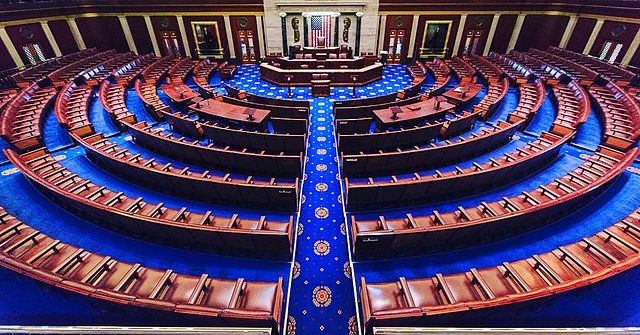
The House of Representatives is one of the two chambers of the United States Congress, which is the legislative body responsible for making federal laws. Established by the U.S. Constitution, the House plays a crucial role in shaping American legislation and representing the interests of the public.
Structure and Membership
The House of Representatives consists of 435 members, each representing a congressional district. The number of representatives from each state is determined by its population, with larger states having more representatives than smaller ones. This distribution is recalibrated every ten years following the U.S. Census, which aims to reflect population shifts and changes.
To be eligible to serve in the House, a candidate must meet specific requirements. They must be at least 25 years old, have been a U.S. citizen for at least seven years, and be a resident of the state they represent. Members of the House serve two-year terms, with no limit on the number of terms they can serve. This short term is designed to keep representatives closely aligned with the views and needs of their constituents.
Leadership and Organization
The House is led by the Speaker of the House, who is elected by the members and is responsible for presiding over sessions, maintaining order, and facilitating legislative procedures. The Speaker is often the leader of the majority party and plays a critical role in determining which legislation is brought to the floor for a vote.
Other key leadership positions include the Majority Leader, who assists the Speaker and leads the majority party’s legislative agenda, and the Minority Leader, who represents the interests of the minority party. The House is also organized into committees, which play a vital role in the legislative process by reviewing proposed legislation and conducting hearings on various issues.
Legislative Process
The legislative process in the House begins with the introduction of a bill, which can be proposed by any member. Once a bill is introduced, it is assigned to a committee for review. The committee conducts hearings, makes amendments, and ultimately decides whether to send the bill to the floor for a vote. If the bill passes in the House, it is sent to the Senate for further consideration.
The House has unique powers granted to it by the Constitution, including the authority to initiate revenue bills and to impeach federal officials. Impeachment is a significant power that allows the House to bring charges against a sitting president, judge, or other federal officials.
Representation and Accountability
The House of Representatives is often referred to as the “people’s house” because its members are directly elected by the citizens of their districts. This direct election process ensures that representatives are accountable to their constituents and must respond to their needs and concerns. The relatively short terms of office also encourage members to remain in touch with their constituents and to address local issues.
In addition to representing the interests of their districts, members of the House engage in national and international issues, contributing to debates on key policies that affect the entire country. The diverse makeup of the House, reflecting the varied demographics of the United States, allows for a wide range of perspectives to be considered in the legislative process Houseimprovements.club/.
Conclusion
The House of Representatives is a vital component of the U.S. political system, playing a significant role in lawmaking and representation. Through its structure, leadership, and legislative processes, the House embodies the principles of democracy and accountability, ensuring that the voices of the American people are heard in the halls of government. As the country continues to evolve, the House will remain a critical institution in shaping its future.